Udawalawe National Park Safari Guide: Everything You Need to Know

Udawalawe National Park stands as Sri Lanka's premier destination for guaranteed elephant encounters, offering visitors one of Asia's most reliable and accessible wildlife safari experiences. Located in the southern lowlands approximately 165 kilometers southeast of Colombo, this 30,821-hectare sanctuary has earned international recognition for its exceptional elephant population, year-round wildlife viewing, and stunning open grassland landscapes that rival East Africa's famous savanna parks. Whether you're a first-time safari-goer seeking your inaugural wild elephant encounter, an experienced wildlife enthusiast pursuing exceptional photography opportunities, a family introducing children to nature's wonders, or a dedicated conservationist wanting to understand Asian elephant ecology, Udawalawe National Park safari experiences deliver unforgettable moments that connect you profoundly with the natural world. This comprehensive guide covers everything you need to know for planning and experiencing an outstanding Udawalawe safari—from understanding what makes this park unique among Sri Lankan wildlife destinations, to knowing what animals you'll encounter, selecting optimal safari timing, preparing appropriately, and maximizing your wildlife viewing and photography opportunities. We'll explore the park's fascinating history, its critical role in elephant conservation, practical planning considerations including accommodation selection and booking strategies, and insider tips from experienced safari guides that help you experience Udawalawe at its absolute best while supporting responsible, sustainable wildlife tourism.
Understanding Udawalawe National Park
Park History and Formation
Udawalawe National Park was established in 1972, making it a relatively young protected area by international standards but one born from necessity and careful planning. The park's creation centered around the Udawalawe Reservoir, constructed in the 1960s as part of a major irrigation and hydroelectric project on the Walawe River. This reservoir dramatically altered the landscape, flooding existing habitats while creating new wetland ecosystems that attracted substantial wildlife populations.
The park's primary purpose focused on protecting the catchment area surrounding the reservoir while providing refuge for elephants displaced by the reservoir's construction and ongoing agricultural expansion in surrounding regions. As human settlements and farming intensified throughout southern Sri Lanka during the mid-20th century, elephant habitat contracted severely, increasing human-elephant conflict as these intelligent animals found their traditional ranges increasingly fragmented and occupied by people. Udawalawe offered critical protected space where elephants could exist without constant conflict with farmers.

Park boundaries were strategically drawn to encompass diverse habitats supporting varied wildlife communities. The protected area includes the reservoir itself, extensive grassland plains surrounding the water body, scattered forest patches providing shade and browse vegetation, wetland areas supporting aquatic and wading bird populations, and mountainous terrain along the park's periphery creating natural barriers and elevation diversity. This habitat variety contributes to Udawalawe's impressive biodiversity despite its reputation focusing primarily on elephants.
Expansion and management over the decades since establishment has refined park boundaries, improved infrastructure including safari routes and facilities, strengthened anti-poaching patrols and protection efforts, and enhanced understanding of the elephant population through ongoing research. Today Udawalawe represents a conservation success story where elephants thrive in viable populations, generating economic benefits through tourism while maintaining ecological integrity.
Geography and Landscape
Udawalawe's topography consists primarily of open grassland plains interspersed with scrubland, creating the distinctive savanna-like appearance that makes the park visually reminiscent of African wildlife destinations. This open terrain contrasts dramatically with Sri Lanka's dense rainforests and jungle habitats, offering a unique ecosystem within the island's diverse environmental mosaic.
The Udawalawe Reservoir forms the park's centerpiece, covering approximately 3,000 hectares at full capacity. Water levels fluctuate seasonally with monsoon rainfall patterns—rising during wet season months (October-April) and contracting during dry season (May-September). These fluctuations expose mudflats and create fresh grass growth zones along shorelines that attract concentrated elephant activity. The reservoir's permanent water ensures wildlife can access reliable drinking sources year-round, preventing the seasonal migrations that characterize elephant populations in other parks.
Elevation ranges from approximately 100 meters above sea level in lowland areas to 500+ meters in mountainous sections along the park's boundaries. This moderate elevation creates tropical lowland climate conditions with consistently warm temperatures year-round, distinguishing Udawalawe from cooler hill country regions just 50-100 kilometers away.
Vegetation communities reflect the dry zone ecology with thorny scrubland, grasslands dominated by species adapted to periodic drought, scattered trees including iconic umbrella thorns and palmyra palms, and riparian vegetation along the reservoir edges and seasonal streams. During wet season months, the landscape transforms into lush green expanses; during dry season, golden-brown tones dominate creating the classic safari aesthetic.

Climate and Seasons
Udawalawe experiences Sri Lanka's dry zone climate with two distinct seasonal patterns influencing wildlife viewing conditions, visitor comfort, and the park's overall character.
Dry season (May to September) brings minimal rainfall, consistently sunny weather, hot daytime temperatures (30-35°C / 86-95°F), low humidity, and gradually intensifying heat as the season progresses. Wildlife concentrates increasingly around the reservoir as peripheral water sources dry up, vegetation turns golden-brown creating classic savanna aesthetics, and dust levels increase on safari routes. This season offers optimal photography lighting, guaranteed elephant viewing, and comfortable morning safari temperatures, though afternoon heat can be intense particularly in March-April transition periods.
Wet season (October to April) introduces more variable weather with afternoon thunderstorms occurring 3-5 days per week, moderate temperatures (27-32°C / 81-90°F), increased humidity, and dramatic cloud formations. The landscape transforms rapidly from brown to vibrant green as rain stimulates vegetation growth, the reservoir fills to higher levels creating expanded wetland habitats, and wildlife distributes more widely across the park as water sources proliferate. This season provides lush photographic backgrounds, exceptional birdwatching as migratory species arrive, and typically fewer tourists creating more exclusive experiences.
Wildlife of Udawalawe National Park
Asian Elephants: The Stars of the Show
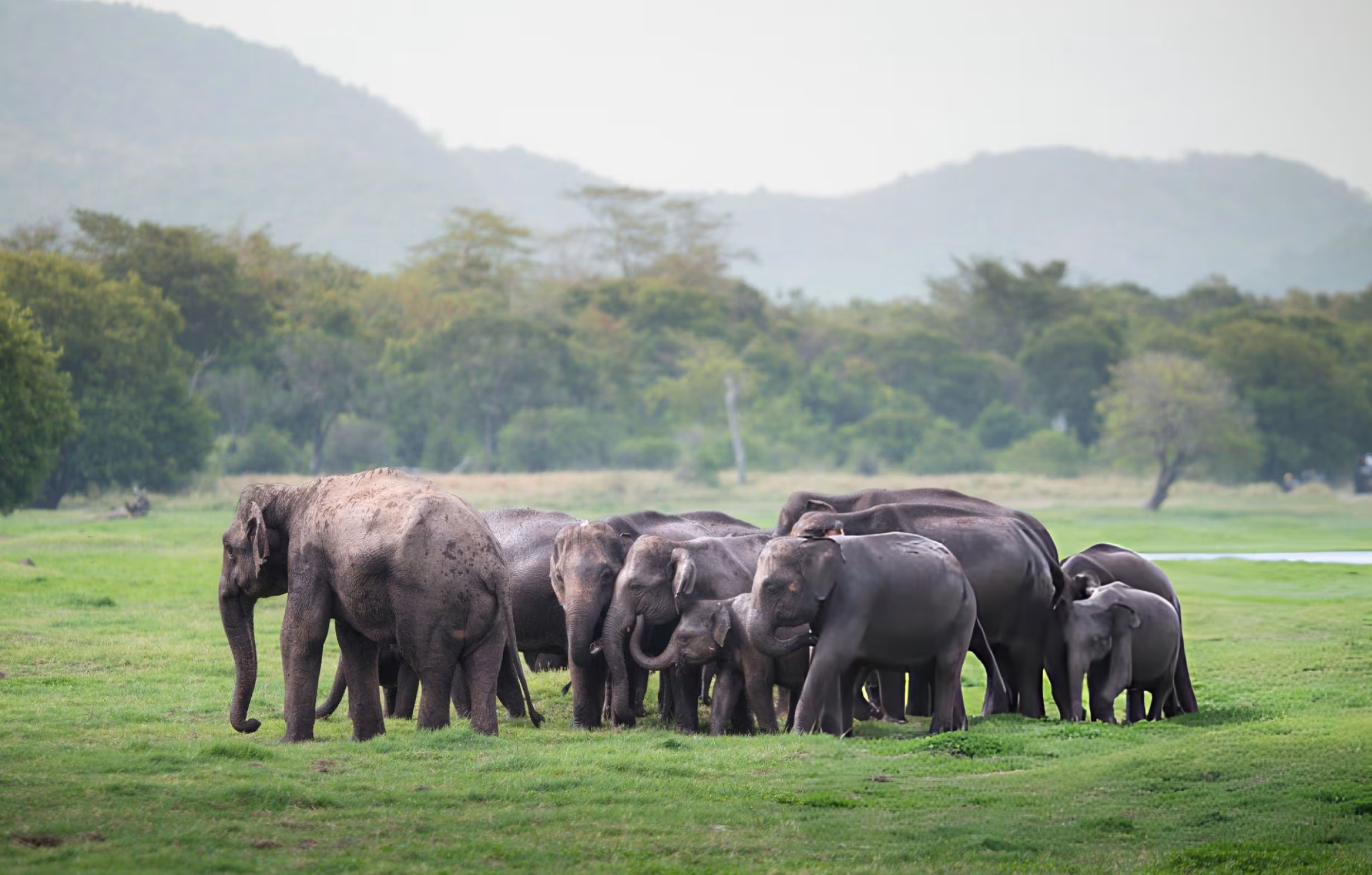
Udawalawe's elephant population numbers approximately 500-600 individuals, representing one of Sri Lanka's most stable and well-protected herds. Unlike elephant populations in some other parks that migrate seasonally between reserves, Udawalawe's elephants are predominantly resident, establishing territories entirely within park boundaries and remaining year-round.
Family structure follows typical Asian elephant patterns with matriarchal herds consisting of related females and their offspring, bachelor groups of young to middle-aged males, and solitary bulls including older dominant males and younger males transitioning from family herds. Observing these different social configurations provides insights into elephant society's complexity—protective mothers guiding wobbly calves, adolescent males practicing dominance behaviors through play-fighting, and massive bulls asserting authority through size and presence rather than actual combat.

Behavioral observations commonly witnessed during Udawalawe safaris include feeding behavior as elephants graze on grasslands or browse on woody vegetation, bathing and mud wallowing for thermoregulation and skin protection, trunk versatility demonstrated through drinking, eating, dust bathing, and social touching, communication through vocalizations ranging from subsonic rumbles to trumpeting calls, and calf rearing with cooperative care from multiple females. The open terrain allows detailed observation impossible in dense forest habitats where elephants remain partially obscured.
Individual identification becomes possible for experienced guides who recognize specific elephants by features like tusk configuration, ear notches and tears, body size and build, and characteristic behaviors. Some elephants become "local celebrities" observed repeatedly across multiple safaris, creating connections between visitors and individual animals that deepen appreciation for elephant intelligence and personality.
Other Mammals
Water buffalo congregate in impressive herds sometimes numbering 50-100+ individuals around wetland areas and the reservoir. These massive bovines create striking scenes when gathered densely, particularly when wallowing in mud pools during hot weather. While less charismatic than elephants, water buffalo represent important ecosystem components and provide excellent photography subjects.
Deer species including spotted deer (chital) and sambar deer inhabit grasslands and forest edges throughout the park. Spotted deer's distinctive white spots and lyre-shaped antlers make them visually attractive, while larger sambar deer—particularly impressive stags with substantial antlers—command attention. Both species often graze near elephant herds, creating mixed-species scenes characteristic of healthy savanna ecosystems.
Carnivores and omnivores include golden jackals observed alone or in pairs, particularly around water sources during dawn and dusk; wild boar rooting in muddy areas for insects, roots, and other food; various mongoose species darting across roads or hunting in grasslands; and the extremely rare Sri Lankan leopard. While Udawalawe contains leopards, sightings occur far less frequently than at Yala National Park due to lower leopard density, dense vegetation in leopard habitat zones, and these cats' primarily nocturnal behavior.
Smaller mammals occasionally spotted include rusty-spotted cats (one of the world's smallest wild cats, rarely seen), fishing cats in wetland areas (endangered species, nocturnal and elusive), Indian pangolins (critically endangered, occasionally encountered), and various bat species utilizing tree roosts and caves along park periphery.

Bird Diversity
Over 210 bird species have been recorded at Udawalawe, making it an exceptional birdwatching destination despite being primarily marketed for elephant viewing. The combination of wetland, grassland, and forest habitats creates niches supporting diverse avian communities.
Wetland and water birds congregate spectacularly around the reservoir including painted storks nesting in large colonies, spot-billed pelicans fishing cooperatively, Asian openbills feeding in shallow water, purple herons stalking prey in wetland vegetation, black-headed ibis probing mudflats, various egret species including cattle egrets, little egrets, and great egrets, and numerous duck species particularly during wet season months. These large water birds create excellent photographic subjects, often allowing relatively close approach.
Raptors and birds of prey soar overhead throughout safaris including white-bellied sea eagles hunting around the reservoir, crested serpent eagles perching prominently in tall trees, various kite species including brahminy kites and black kites circling thermals, and occasionally rare species like grey-headed fish eagles. These impressive birds add drama to safari experiences as they dive to catch fish or engage in aerial displays.
Endemic and specialized species appealing to dedicated birders include Sri Lankan grey hornbill (endemic to Sri Lanka, common in forest edges), Ceylon junglefowl (Sri Lanka's national bird and wild ancestor of domestic chickens), yellow-fronted barbet (endemic, colorful and vocal), and various other species restricted to Sri Lanka or the Indian subcontinent. The dry zone habitat supports bird communities differing from those in wet zone forests, creating opportunities to observe species not easily seen elsewhere on the island.
Migratory birds arrive during northern winter months (November-March) when species breeding in India, Central Asia, and even Europe seek warmer southern wintering grounds. Waterfowl numbers explode during this period with various duck, wader, and shorebird species joining resident populations, creating exceptional diversity for birdwatchers visiting during wet season.
Reptiles and Other Wildlife
Crocodiles inhabit the reservoir and wetland areas, frequently observed basking on mudbanks or swimming in open water. These can grow to impressive sizes (4+ meters), commanding respect as powerful predators. While dangerous, crocodiles pose minimal threat to safari visitors remaining in vehicles, and their presence adds authentic wildness to the ecosystem.
Water monitors hunt actively around wetland edges, swimming powerfully and climbing trees with surprising agility. These large lizards (up to 2 meters) create excellent wildlife watching as they patrol shorelines hunting for fish, carrion, and other prey.
Star tortoises occasionally cross roads during early morning or late afternoon, particularly after rains. These endangered tortoises with beautiful geometric shell patterns are strictly protected—never attempt to touch or move them, simply observe and photograph from respectful distances.
Snake diversity includes numerous species though actual sightings during safaris remain relatively rare due to snakes' secretive nature. Species present include various cobras, kraits, vipers, and harmless species. While potentially dangerous snakes exist, they avoid safari vehicles and rarely pose threats to visitors following standard safety protocols.

Planning Your Udawalawe Safari
When to Visit: Seasonal Considerations
Year-round elephant viewing represents Udawalawe's greatest advantage—unlike seasonal parks where timing critically affects wildlife sightings, Udawalawe delivers excellent elephant encounters regardless of visit month. However, seasons do affect comfort, photography conditions, landscape aesthetics, and specific wildlife behaviors.
Dry season advantages (May-September):
- Maximum elephant concentrations around reservoir
- Optimal photography lighting with clear skies
- Comfortable morning temperatures
- Classic golden savanna aesthetic
- Predictable weather with minimal rain
- Best for first-time safari visitors wanting guaranteed spectacular viewing
Wet season advantages (October-April):
- Lush green landscapes and vibrant colors
- Exceptional birdwatching with migratory species
- Fewer tourists creating exclusive experiences
- Lower accommodation rates
- Elephants appear healthier with better body condition
- Dramatic storm clouds providing atmospheric photography
- Baby elephants born during late wet season (December-February)
Shoulder months (April-May, September-October) offer transitional conditions combining aspects of both seasons—moderate wildlife concentrations, mixed landscape aesthetics, and variable weather creating diverse photography opportunities.
Safari Duration and Timing
Half-day safaris lasting 3-4 hours represent the standard option, providing sufficient time for excellent wildlife viewing without exhaustion. Safari operators offer morning departures (typically 6:00-6:30 AM) and afternoon departures (typically 2:30-3:00 PM).
Morning safaris (6:00 AM - 10:00 AM) capitalize on animals' most active period following cool night temperatures. Elephants emerge from overnight forest shelter to feed on grasslands, wildlife activity peaks before midday heat, soft morning light creates ideal photography conditions, and cooler temperatures ensure comfortable viewing. Morning safaris suit early risers, photographers prioritizing golden hour light, and visitors wanting afternoons free for other activities.
Afternoon safaris (3:00 PM - 6:00 PM) provide different advantages with elephants converging at the reservoir for evening bathing sessions, golden hour sunset photography opportunities, flexibility for travelers who struggle with early wake-ups, and often playful elephant behavior as heat subsides. Afternoon safaris particularly appeal to families with young children who resist 5:30 AM departures, photographers specifically seeking sunset imagery, and visitors who used morning hours for other activities.

Full-day safaris spanning 8-10 hours allow comprehensive park exploration with deeper penetration into less-visited areas, observation of behavioral changes throughout the day, and increased chances of rare wildlife sightings. However, full-day safaris prove physically demanding during hot months (March-April particularly), require substantial endurance for all participants, and typically appeal primarily to serious wildlife enthusiasts and photographers willing to endure discomfort for expanded opportunities.
Safari Routes and Viewing Areas
The reservoir circuit following the Udawalawe Reservoir shoreline provides the park's premier wildlife viewing zone. Safari drivers navigate along the water's edge positioning vehicles for optimal elephant observation as herds approach to drink and bathe. Different reservoir sections offer varied viewing opportunities—northern areas often host largest congregations, southern sections attract solitary bulls and smaller groups, and eastern zones provide morning backlighting for dramatic photography.
Grassland plains extending inland from the reservoir host actively feeding elephants throughout the day. These open areas allow long-distance viewing of multiple herds simultaneously and create opportunities for landscape-oriented photography showing elephants within their broader habitat context. The expansive grasslands also support deer, buffalo, and birds creating diverse wildlife viewing beyond just elephants.
Forest edges and transition zones between open grasslands and wooded areas attract wildlife seeking browse vegetation and shade. These mixed habitat areas often produce the greatest bird diversity and occasionally reveal more elusive mammals preferring cover over exposure on open plains.
Safari route planning depends on recent wildlife sightings, seasonal patterns, time of day, and your specific interests. Experienced drivers receive updates from other guides via mobile phones about elephant locations, interesting sightings, and optimal viewing areas, adjusting routes dynamically throughout safaris to maximize quality encounters.
What to Bring on Safari
Clothing essentials include lightweight, breathable long pants and long-sleeve shirts in neutral colors (khaki, olive, beige), wide-brimmed hat providing sun and glare protection, comfortable closed-toe shoes or hiking boots, light jacket for air-conditioned transport vehicles, and possibly a buff or bandana for dust protection during dry season.
Sun and heat protection requires high-SPF sunscreen (50+) applied generously and reapplied every 2 hours, quality sunglasses with UV protection, and possibly cooling towels or spray bottles for extreme heat periods.
Photography equipment for capturing your experience should include a camera with telephoto lens (200-400mm minimum, longer preferred), spare batteries and memory cards (bring more than you think necessary), lens cleaning cloth for dust removal, possibly a beanbag for vehicle support, and protective camera covers for dust and rain. Smartphones produce acceptable photos of closer wildlife but struggle with distant subjects requiring telephoto reach.
Binoculars (8x42 or 10x42 magnification) dramatically enhance wildlife viewing allowing detailed observation of distant animals and bird identification. Quality binoculars transform safari experiences from seeing animals to truly observing behavior and features invisible to naked eyes.

Practical items include plenty of drinking water (1-2 liters per person minimum), snacks for energy during longer safaris, insect repellent (less critical at Udawalawe than wetter regions but still sensible), hand sanitizer and wet wipes, and small backpack for organizing items. Most safari jeeps lack storage compartments—keep essentials in a bag you can access easily without disturbing other passengers.
Booking Your Safari
Advance booking during peak tourist seasons (December-March, July-August) ensures availability and allows selection of preferred operators and safari times. Book 1-4 weeks ahead depending on season, with longer lead times for holiday periods and weekends when demand peaks.
Last-minute bookings succeed more reliably during off-peak months (April-June, September-November) when safari operator availability increases and tourist numbers decrease. However, even during these periods, advance booking provides peace of mind and ensures you secure your preferred morning or afternoon slot.
Booking methods include online reservations through specialized safari operators (convenient, instant confirmation, often best value), direct bookings through accommodations near the park (convenient, integrated with lodging, sometimes bundled discounts), on-site bookings at park entrance (flexible but risky during busy periods when all jeeps may be pre-booked), and packaged tours combining multiple destinations (comprehensive, eliminates logistics, typically more expensive).
Operator selection significantly impacts experience quality. Research operators through online reviews, prioritize those with experienced naturalist guides (not just drivers), verify ethical wildlife viewing practices and appropriate distance maintenance, confirm vehicle quality and comfort standards, and understand exactly what's included in quoted rates (entrance fees, guide services, meals/refreshments).
Safari Experience: What to Expect
Typical Safari Timeline
Morning safari schedule:
- 5:30-6:00 AM: Pickup from accommodation
- 6:00-6:30 AM: Park entrance arrival, ticket processing
- 6:30-9:30 AM: Safari driving and wildlife viewing
- 9:30-10:00 AM: Exit park, return to accommodation
- Total duration: Approximately 4-4.5 hours
Afternoon safari schedule:
- 2:30-3:00 PM: Pickup from accommodation
- 3:00-3:30 PM: Park entrance arrival, ticket processing
- 3:30-6:00 PM: Safari driving and wildlife viewing
- 6:00-6:30 PM: Exit park (must leave before dark)
- 6:30-7:00 PM: Return to accommodation
- Total duration: Approximately 4-4.5 hours
Safari Vehicle Details
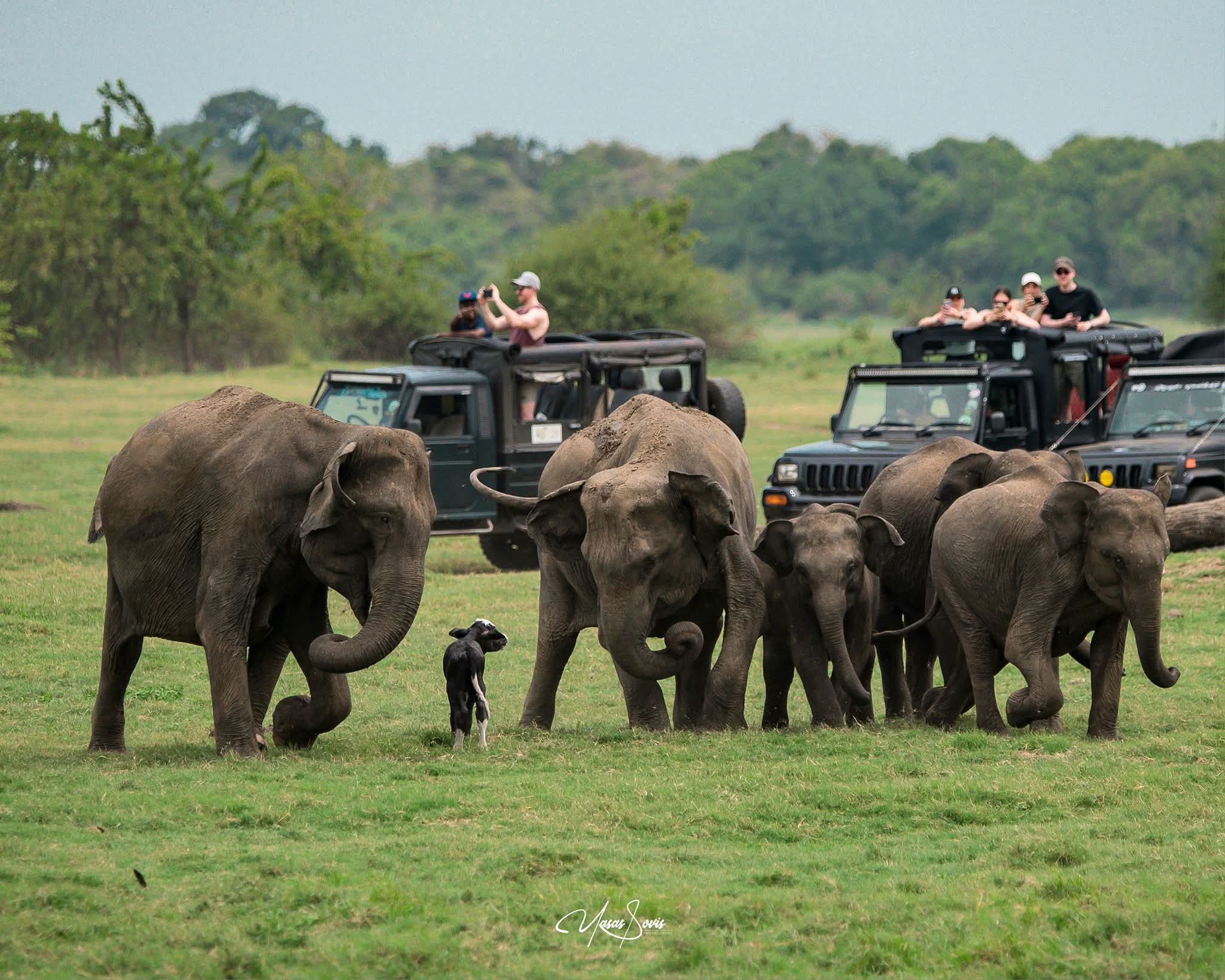
Safari jeeps at Udawalawe typically accommodate 6-8 passengers in three rows of bench seating. Most vehicles feature pop-up roof hatches allowing standing for better viewing and photography angles, though safety requires sitting while vehicles are moving. The jeeps' open sides provide excellent visibility but minimal protection from sun, dust, or rain—bring appropriate protection.
Vehicle comfort varies by operator with better companies maintaining well-maintained vehicles with comfortable seating, good suspension for rough roads, and possibly extras like roof-mounted spotlights for low-light viewing. Budget operators may use older vehicles with harder seats and rougher rides. If comfort matters significantly, research operator vehicle quality before booking.

Shared vs. private safaris affect experience significantly. Shared safaris combine multiple parties in one jeep, reducing individual costs but limiting flexibility regarding route preferences, photo stop duration, and overall pacing. Private safaris provide exclusive jeep use allowing complete control over timing, positioning, and prioritization—ideal for photographers, families, or those wanting personalized experiences.
Wildlife Viewing Expectations
Elephant encounters occur virtually guaranteed during every Udawalawe safari, with most visitors observing multiple herds totaling 30-100+ elephants during half-day excursions. Dry season safaris (particularly March-September) may produce even higher numbers as elephants concentrate around the reservoir. Close encounters (within 10-30 meters) frequently occur when elephants cross roads or approach water sources near safari routes.
Other wildlife sightings vary by season, time of day, and luck. Water buffalo appear reliably in wetland areas, deer commonly graze in grasslands, birds are abundant and easily observed, and crocodiles bask regularly on reservoir edges. Leopards remain extremely rare sightings—set expectations appropriately and consider any leopard encounter an exceptional bonus rather than an expected component.
Safari pacing involves alternating between active wildlife viewing (when elephants or other animals are present) and driving between locations (searching for additional sightings). Quiet periods when nothing interesting appears are normal parts of safari experiences. Use these times for landscape appreciation, bird watching, or simply enjoying the wilderness atmosphere rather than expecting constant dramatic wildlife action.
Photography Opportunities
Elephant photography at Udawalawe benefits from open terrain allowing clear shots without vegetation obstruction, relatively close approach distances when elephants are comfortable, and excellent natural lighting during morning and afternoon golden hours. Key opportunities include elephants bathing in the reservoir, mothers with young calves displaying tender interactions, bachelor groups play-fighting or sparring, massive bulls asserting dominance, and entire herds moving across landscapes creating scale and context.
Landscape photography showcasing Udawalawe's sweeping grasslands, the reservoir with mountains in background, dramatic monsoon clouds during wet season, and sunset/sunrise colors provides context beyond pure wildlife shots. These habitat images tell more complete stories about where elephants live and the ecosystems supporting them.
Bird photography challenges even experienced photographers due to birds' small size, rapid movement, and often substantial distances. However, large water birds like storks, pelicans, and herons provide accessible subjects, while raptors perched prominently allow patient approach and framing.
Technical tips for Udawalawe photography include using fast shutter speeds (1/500s+) to freeze elephant movement and compensate for vehicle vibration, shooting in RAW format for maximum editing flexibility, slightly underexposing to preserve highlight detail in bright skin and sand, and using continuous autofocus modes for moving subjects. The harsh midday light creates extreme contrast—focus photography efforts on morning and afternoon golden hours when possible.

Accommodations Near Udawalawe
Location Considerations
Proximity to park entrance affects morning safari logistics particularly. Properties within 5-10 kilometers of the main entrance minimize early morning travel (crucial for 6:00 AM departures), while accommodations 15-25 kilometers away in Embilipitiya or more distant areas require earlier wake-ups but may offer superior facilities.
Embilipitiya town (20 kilometers from park entrance) provides the widest accommodation range from budget guesthouses to mid-range hotels, better restaurant options, banking and ATM access, medical facilities if needed, and shopping for supplies. However, the town location requires 20-30 minute drives to reach the park.
Park-adjacent properties clustered near the entrance offer maximum convenience for safari access, often more immersive nature settings with wildlife occasionally visible from accommodation grounds, and typically more personalized service in smaller properties. However, options are more limited and facilities may be more basic than town accommodations.
Accommodation Categories
Budget guesthouses provide clean, simple rooms with basic amenities at economical rates. These family-run properties offer genuine hospitality, home-cooked Sri Lankan meals, and often assistance arranging safaris through trusted local operators. Budget accommodations suit backpackers, budget-conscious travelers, and those prioritizing wildlife experiences over luxury facilities.
Mid-range lodges and hotels offer comfortable rooms with air conditioning, swimming pools for post-safari cooling, on-site restaurants with varied menus, organized safari booking services, and professional staff. Properties like Kalu's Hideaway Safari Lodge and Grand Udawalawe Safari Resort provide excellent value combining comfort with reasonable pricing. Mid-range accommodations suit most travelers seeking balance between comfort and cost.
Luxury eco-lodges deliver premium experiences with spacious safari-style tents or elegant bungalows, high-quality furnishings and amenities, gourmet dining using local organic ingredients, infinity pools and spa services, extensive grounds with nature trails and birdwatching opportunities, and experienced naturalist guides leading complementary activities. Luxury properties like Kalu's Hideaway Eco Lodge (premium tier) and Big Game Camp emphasize sustainable tourism and conservation support. These suit travelers prioritizing comfort, environmental responsibility, and comprehensive wilderness experiences.
Booking Strategies
Advance booking during peak season (December-March particularly) ensures availability at preferred properties as popular lodges fill weeks in advance. Shoulder and off-peak seasons offer more flexibility with successful bookings possible just days ahead.
Package deals combining accommodation with safari bookings often provide better overall value than booking separately, particularly at properties with in-house safari operations or strong operator relationships. Many lodges offer discounted rates when booking multi-night stays including safari packages.
Location trade-offs require balancing convenience against amenities—closer properties minimize travel but may have fewer facilities, while distant properties offer more amenities but add travel time and logistics complexity, particularly for early morning safaris.

Combining Udawalawe with Other Experiences
Elephant Transit Home
The Elephant Transit Home located just 5 kilometers from Udawalawe's entrance represents an essential complement to your safari. This rehabilitation facility cares for orphaned baby elephants rescued from human-elephant conflict situations, wells they've fallen into, or whose mothers died. The facility raises these babies until age 4-5 when they're released back into wild herds.
Feeding times (typically 9:00 AM, 12:00 PM, 3:00 PM, and 6:00 PM) allow visitors to observe adorable baby elephants eagerly approaching for milk bottles. The heartwarming scenes of caretakers bottle-feeding these orphans create emotional connections deepening appreciation for elephant conservation. The babies' playful antics—splashing in mud, pushing each other, exploring with their trunks—delight visitors of all ages.
Educational value extends beyond cuteness as the facility demonstrates practical conservation work. The Transit Home's mission prioritizes returning elephants to the wild rather than creating dependent captive populations, teaching important lessons about intervention goals in conservation. Visiting before or after your safari provides contrasting perspectives—seeing healthy wild herds in Udawalawe then understanding the rescue and rehabilitation work protecting individual elephants creates comprehensive conservation understanding.
Nearby Attractions
Buduruwagala Temple approximately 30 kilometers from Udawalawe features massive rock-carved Buddha statues dating back over 1,000 years. These impressive ancient sculptures demonstrate Sri Lanka's rich Buddhist heritage and artistic traditions. The temple visit adds cultural dimension to wildlife-focused itineraries.
Diyaluma Falls (about 50 kilometers from Udawalawe) ranks as Sri Lanka's second-highest waterfall at 220 meters. The spectacular cascades offer swimming opportunities in natural pools, dramatic photo opportunities, and refreshing mountain air contrasting with Udawalawe's lowland heat. The falls combine naturally with Udawalawe-Ella itineraries since they lie along this route.
Tea plantation visits in the transition zone between lowlands and hill country showcase Sri Lanka's famous tea industry. Touring working plantations, observing tea picking and processing, and sampling various tea varieties provides insights into agricultural practices supporting local economies. These visits work well en route between Udawalawe and hill country destinations.

Multi-Destination Itineraries
Beach combinations work excellently with Udawalawe located just 90-130 kilometers from south coast destinations. Many travelers structure trips as: 2-3 beach days (Mirissa, Tangalle), 1-2 safari days (Udawalawe), return to beach or continue to next destination. This pacing alternates high-energy safari days with relaxing beach time preventing exhaustion while maximizing diverse experiences.
Hill country integration creates geographic and experiential variety with cooler temperatures, lush tea plantations, and colonial architecture contrasting with hot lowland savanna. Popular routing includes: Colombo → Udawalawe → Ella/hill country → Kandy → Colombo, creating logical progression without excessive backtracking.
Comprehensive Sri Lanka tours might combine Cultural Triangle ancient sites (Sigiriya, Polonnaruwa, Dambulla), Minneriya or Kaudulla elephant gathering (seasonal), hill country exploration, Udawalawe safari, and south coast beaches in 10-14 day itineraries covering Sri Lanka's major highlights.
Conservation and Responsible Tourism
Elephant Conservation Challenges
Human-elephant conflict represents the gravest threat to Sri Lankan elephants with agricultural expansion reducing elephant habitat, crop raiding creating economic losses for farmers, and retaliatory elephant killings occurring when farmers defend livelihoods. Electric fencing around Udawalawe attempts to contain elephants within protected boundaries, but determined animals sometimes breach barriers leading to conflicts outside the park.
Habitat fragmentation prevents elephants from moving between protected areas, isolating populations genetically and reducing long-term viability. Corridor conservation connecting Udawalawe with other elephant habitats represents critical conservation priority, though implementation faces challenges from land ownership, agricultural interests, and development pressures.
Climate change impacts including altered rainfall patterns, extended droughts stressing grassland productivity, and increased temperatures affecting elephant health create long-term concerns for Udawalawe's ecosystem. Conservation strategies must increasingly account for climate adaptation in managing protected areas.
Responsible Safari Practices
Distance maintenance protects both elephants and visitors. Ethical operators maintain 25-30 meter minimum distances from elephants, never pursuing or harassing animals for photography, and increasing distance immediately if elephants show stress signals (ears pulled back, trunk in S-curve, trumpeting, mock charges).
Behavioral awareness helps visitors recognize when their presence disturbs wildlife. If elephants stop feeding to watch vehicles, appear agitated, or alter movements to avoid safari jeeps, the vehicles are too close or numerous. Prioritizing animal welfare over extreme close-ups respects elephants while supporting sustainable tourism.
Supporting conservation through tourism choices includes selecting operators committed to conservation and ethical practices, avoiding companies harassing wildlife or violating park regulations, spreading awareness about elephant conservation challenges among personal networks, and considering donations to reputable conservation organizations working in Sri Lanka.

Local Community Benefits
Tourism revenue generated by Udawalawe safaris supports local economies through employment for safari drivers, guides, and hospitality staff, business for local accommodations, restaurants, and shops, and economic incentives for protecting elephants rather than viewing them as agricultural pests. When local communities benefit financially from wildlife tourism, conservation gains crucial grassroots support.
Choosing locally-owned businesses when possible ensures more tourism revenue remains in communities near the park rather than flowing to external corporations. Local guesthouses, Sri Lankan-owned safari companies, and community-based tourism initiatives provide authentic experiences while maximizing positive economic impacts.
Practical Information and Tips
Park Regulations and Rules
Stay in vehicles at all times except at designated safe areas—never exit safari jeeps to approach wildlife or photograph from outside the vehicle. Elephants can be dangerous if they feel threatened, and park regulations prohibit exiting vehicles for visitor safety.
Respect wildlife by maintaining quiet voices around animals, avoiding sudden movements that might startle wildlife, never feeding animals (disrupts natural behaviors and creates dangerous associations), and following guide instructions immediately without question during close wildlife encounters.
Littering strictly prohibited—bring all trash back from the park rather than discarding anything in this protected wilderness. Plastic pollution threatens wildlife through ingestion or entanglement.
Photography restrictions include no flash photography (stresses animals and may provoke dangerous reactions), no drones (prohibited in Sri Lankan national parks), and respecting other visitors' viewing opportunities rather than monopolizing positions or blocking others' views.
Health and Safety
Sun protection becomes critical in Sri Lanka's intense tropical sun particularly during safari hours. Apply high-SPF sunscreen generously before departures and reapply every 2 hours even in shaded vehicles (UV reflects off surfaces creating exposure). Wear hats and sunglasses protecting eyes and face from glare and direct sun.
Hydration prevents heat-related illness during hot weather. Drink water consistently throughout safaris even if not feeling particularly thirsty—the dry air and heat can dehydrate surprisingly quickly. Bring at least 1-2 liters per person for half-day safaris.
Motion sickness affects some visitors on Udawalawe's rough, bouncing safari roads. If prone to motion sickness, consider preventive medication before departure, sit in front seats where bouncing is less severe, focus on distant horizons rather than close objects, and communicate with your guide if nausea develops—breaks can be arranged.
Wildlife safety requires respecting that elephants and other animals are wild, powerful creatures that could cause serious injury. Never attempt approaching wildlife outside vehicles, follow guide instructions during close encounters, and understand that while elephants usually tolerate safari vehicles, they can become aggressive if threatened or stressed.

Money and Costs
Park entrance fees (as of 2026) vary by visitor category with foreign adults, foreign children, and SAARC nationals paying different rates. Safari jeeps incur separate fees, and tracker/guide fees apply if services are used. Most safari packages quote inclusive rates covering all these components—clarify what's included to avoid surprises.
Currency throughout Sri Lanka is the Sri Lankan Rupee (LKR). While some tourist establishments accept US dollars or euros, local currency provides better value and broader acceptance. ATMs appear in larger towns like Embilipitiya but may be absent in immediate park vicinity—withdraw cash before reaching Udawalawe.
Tipping customs suggest showing appreciation for excellent safari experiences through gratuities. Standard practice suggests 10-15% of safari cost divided between driver and guide for good service, with higher amounts for exceptional experiences. While not mandatory, tips significantly supplement modest salaries and recognize quality service.
Communication and Language
English proficiency varies among safari staff. Larger operators typically provide English-speaking guides, while smaller operations or budget drivers may have limited English. Clarify language capabilities when booking if communication is important for your experience.
Basic Sinhala phrases enhance interactions with local staff and demonstrate cultural respect. Learning simple greetings and thank-yous creates positive connections even when full conversations aren't possible.
Mobile connectivity exists in the Udawalawe area though signal strength varies. Major Sri Lankan networks provide coverage allowing communication with accommodations, safari operators, and emergency contacts. However, within the park boundaries coverage can be spotty—don't depend on mobile phones for navigation or critical communications during safaris.
Final Thoughts: Experiencing Udawalawe's Magic
An Udawalawe National Park safari delivers one of Asia's most reliable and rewarding wildlife experiences, virtually guaranteeing close encounters with Asian elephants while providing opportunities to observe these magnificent animals displaying natural behaviors in protected habitat. Whether you witness a mother tenderly guiding her newborn calf, a massive bull asserting dominance through sheer presence, bachelor groups engaging in playful sparring, or entire herds gathering at the reservoir for evening bathing sessions, these moments create profound connections with the natural world that persist long after your safari ends.
Udawalawe's accessibility makes exceptional wildlife viewing available to diverse travelers—families with young children, first-time safari visitors, experienced wildlife enthusiasts, photographers, and anyone captivated by elephants can successfully experience this park. The guaranteed elephant sightings eliminate the disappointment that can mar visits to less reliable destinations, while the open terrain allows easy wildlife spotting even for inexperienced observers. The relatively comfortable safari durations suit varied fitness levels and attention spans, making Udawalawe more accessible than extreme wilderness areas requiring extensive endurance.
Approaching your Udawalawe safari with appropriate preparation—understanding what to expect, packing thoughtfully, selecting reputable operators, and respecting wildlife through ethical viewing practices—maximizes both your enjoyment and your contribution to conservation. The memories you create observing wild elephants will inspire continued commitment to protecting these intelligent, emotional animals facing mounting pressures from habitat loss and human conflict across their range.
Book your Udawalawe safari with confidence knowing this exceptional park awaits your visit with its resident elephant population, stunning landscapes, and professional safari infrastructure ready to deliver an unforgettable Sri Lankan wildlife adventure.