Best Time to Visit Udawalawe National Park: Complete Seasonal Safari Guide

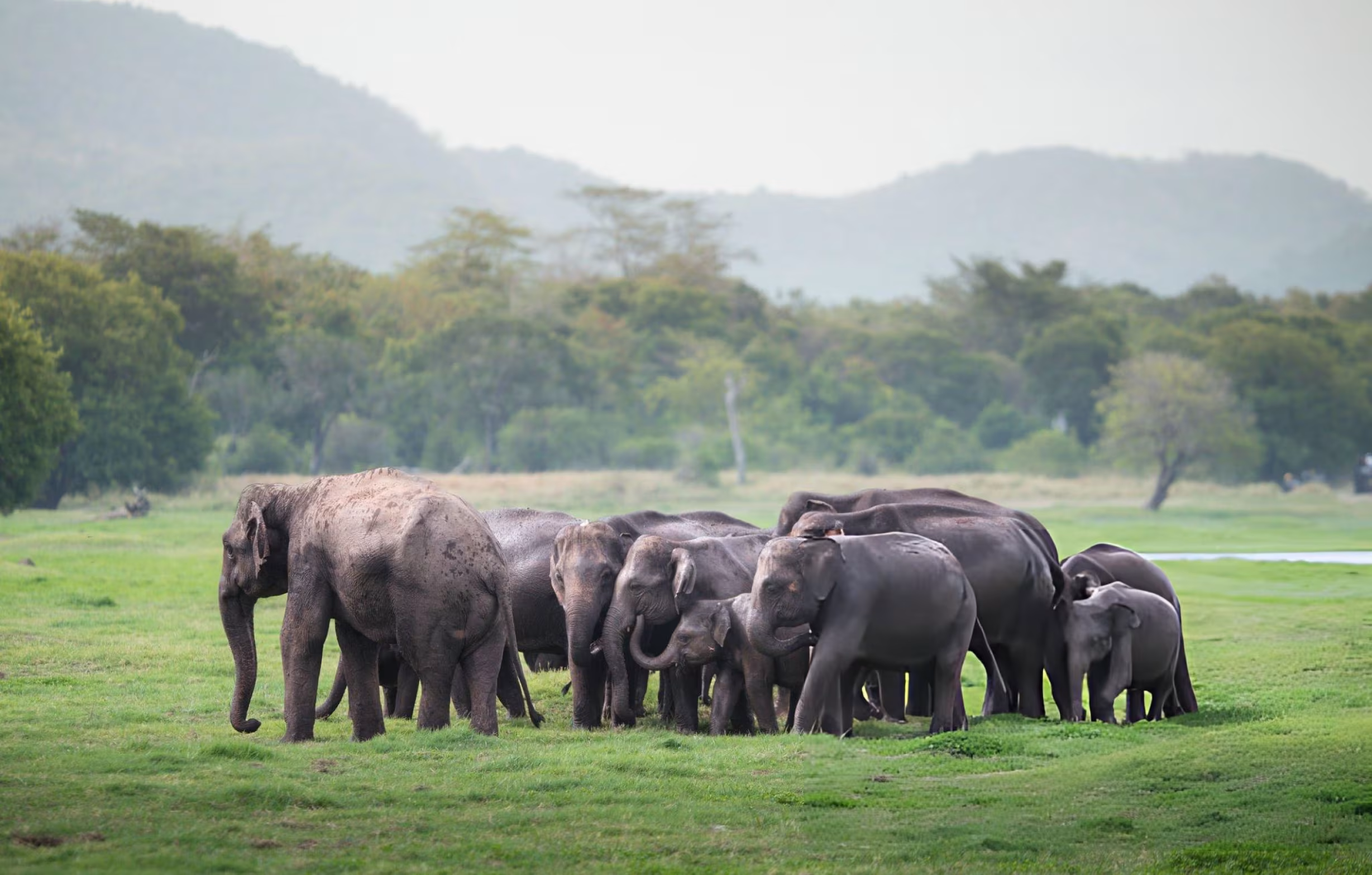
Udawalawe National Park distinguishes itself from other Sri Lankan wildlife sanctuaries through one remarkable characteristic—exceptional year-round elephant viewing that remains consistently outstanding regardless of when you visit. Located in the southern lowlands of Sri Lanka, approximately 165 kilometers southeast of Colombo, this 30,821-hectare sanctuary hosts a stable resident population of 500-600 elephants that don't migrate seasonally like populations in other parks. While Udawalawe offers guaranteed elephant encounters throughout all twelve months, understanding the best time to visit Udawalawe National Park helps you optimize your experience based on specific priorities—whether that's photography conditions, weather comfort, birdwatching diversity, or avoiding peak tourist crowds. This comprehensive seasonal guide explores month-by-month variations in weather patterns, wildlife behavior, visitor numbers, and safari conditions, helping you select the perfect timing for your Udawalawe adventure. Whether you're planning a dedicated wildlife photography expedition, a family safari holiday, or incorporating Udawalawe into a broader Sri Lankan itinerary, this guide provides the insights needed to maximize your elephant viewing experience while understanding the subtle seasonal nuances that can enhance your visit.
Why Udawalawe Offers Exceptional Year-Round Safari Experiences
Unlike many wildlife parks where animal sightings fluctuate dramatically with seasons, Udawalawe National Park provides consistently excellent wildlife viewing throughout the entire year. This remarkable reliability stems from the park's unique characteristics and the behavior of its resident elephant population. The Udawalawe Reservoir, created in the 1960s as part of a hydroelectric and irrigation project, maintains water levels year-round, ensuring elephants never need to migrate to distant water sources regardless of seasonal rainfall patterns. This permanent water availability creates a stable ecosystem that supports the park's entire wildlife community continuously.
The park's resident elephant population establishes permanent territories within Udawalawe's boundaries rather than following seasonal migration routes. These elephants have adapted to the park's landscape, learning where food and water remain accessible throughout different seasons. Family herds maintain traditional ranges within the park, while bachelor groups roam more widely but rarely venture far beyond park boundaries. This residential behavior means that safari visitors encounter elephants with near-100% reliability regardless of their visit month—a significant advantage over parks like Minneriya or Kaudulla where elephant numbers fluctuate seasonally between different reserves.

Open grassland terrain covering much of Udawalawe creates superior viewing conditions compared to densely forested parks. The park's landscape consists primarily of scrubland, grasslands, and wetland areas surrounding the reservoir, with forest patches concentrated along the park's periphery. This open topography means animals feeding or moving across the landscape remain visible from considerable distances, allowing safari drivers to spot wildlife easily and position vehicles for optimal viewing. The unobstructed sightlines benefit photographers enormously, enabling clear shots without vegetation blocking subjects or creating distracting foreground elements.
Weather variations between seasons affect visitor comfort and photography conditions more than wildlife viewing success. Understanding these seasonal differences helps visitors select timing aligned with their priorities—whether that's optimal photography light, comfortable temperatures, lush green landscapes, or peak birdwatching diversity. The following sections explore these seasonal variations in detail, helping you identify the best time to visit Udawalawe National Park based on your specific interests and requirements.
Udawalawe's Climate and Seasonal Patterns
Udawalawe National Park experiences Sri Lanka's dry zone climate, characterized by distinct wet and dry seasons that influence weather conditions, vegetation appearance, and certain aspects of wildlife behavior. Understanding these seasonal patterns helps visitors prepare appropriately and set realistic expectations for their safari experience.
Dry Season (May to September)
The dry season represents peak safari conditions for most visitors, offering consistently sunny weather, minimal rainfall, and optimal photography lighting. During these months, the southwest monsoon brings rain to Sri Lanka's western and southern coasts but largely bypasses the dry zone interior where Udawalawe sits. This meteorological pattern creates extended periods of clear, sunny weather ideal for safari activities.
Weather characteristics during the dry season include daytime temperatures ranging from 30°C to 35°C (86°F to 95°F), virtually no rainfall for weeks at a time, low humidity compared to coastal areas, and brilliant blue skies with minimal cloud cover. The intense sun creates strong shadows and contrast, while dust levels increase as vegetation dries and vehicles traverse unpaved safari routes. Mornings and evenings remain pleasantly warm rather than cool, with minimal temperature variation between day and night.
Vegetation appearance transforms dramatically during the dry season as grasses turn golden-brown, trees shed leaves to conserve water, and the overall landscape takes on earth-toned hues of browns, tans, and muted greens. The Udawalawe Reservoir shrinks as water levels drop, exposing mudflats and creating concentrated feeding areas where fresh grass growth attracts herbivores. This drying landscape, while less visually lush than wet season greenery, creates classic safari aesthetics that many photographers prefer—golden grasslands, dramatic contrast, and animals standing out clearly against simpler backgrounds.

Wildlife behavior during dry months centers increasingly around the reservoir as peripheral water sources dry up. Elephants spend more time near the tank edges, creating concentrated viewing opportunities where multiple herds gather simultaneously. The receding water exposes nutrient-rich mud and fresh grass shoots that elephants favor, leading to extended feeding sessions along the shoreline. Animals visit the reservoir more frequently throughout the day for drinking, creating predictable viewing patterns that safari guides utilize for route planning.
Photography advantages during the dry season include consistently good lighting conditions without rain interruptions, clear atmospheric conditions for sharp telephoto shots across long distances, dramatic shadows from the strong sun adding depth and dimension to images, and the golden grassland backdrop creating warm, earthy tones in photographs. The dry season's reliable weather allows photographers to plan specific shooting times around golden hour lighting without worrying about sudden rain spoiling conditions.
Wet Season (October to April)
The wet season brings intermittent rainfall that transforms Udawalawe's landscape, though wildlife viewing remains excellent throughout these months. The northeast monsoon affects the park during November through February, while inter-monsoonal rains occur in October and March-April. Unlike coastal areas that may experience persistent heavy rain, Udawalawe typically receives afternoon thundershowers that clear quickly, rarely disrupting entire safari days.
Weather patterns during wet season months include afternoon thunderstorms 3-5 days per week, morning hours that often remain clear and sunny, temperatures cooling slightly to 27°C to 32°C (81°F to 90°F), increased humidity especially before rainfall, and dramatic cloud formations creating atmospheric skies. Rain showers typically last 1-3 hours before clearing, and safari operators continue activities during light rain (most jeeps have roof coverings for passenger protection).
Vegetation transformation occurs rapidly once rains begin—grasses turn vibrant green within days, trees burst into new leaf growth, wildflowers bloom across grasslands, and the overall landscape becomes lush and verdant. The Udawalawe Reservoir fills to higher levels, expanding wetland habitats and creating mirror-like water surfaces perfect for reflection photography. This green landscape offers a completely different aesthetic from the dry season's golden tones, appealing to photographers seeking variety and fresh vegetation backgrounds.

Wildlife distribution spreads more widely during wet months as water sources proliferate across the park. Elephants don't concentrate as heavily around the main reservoir since they can access water in forest areas and smaller pools. However, elephants remain highly visible in open grasslands where they feed on the fresh green vegetation. The increased food availability often means elephants appear healthier with better body condition, and the timing coincides with calving season when adorable baby elephants appear in family herds.
Birdwatching peaks during wet season months, particularly November through March when migratory species from northern regions join Udawalawe's resident birds. Waterfowl numbers explode around the reservoir, wading birds congregate in shallow wetlands, and the overall species diversity reaches its annual maximum. Serious birdwatchers often prefer wet season visits specifically for the enhanced avian diversity.
Month-by-Month Guide: Best Time to Visit Udawalawe
Understanding what each month offers helps you select the optimal timing for your Udawalawe safari based on your specific priorities and interests. Here's a detailed exploration of conditions throughout the year:
January: Peak Tourist Season with Excellent Conditions
Weather: January sits firmly in the inter-monsoonal period with decreasing rainfall from November-December. Expect mostly sunny days with occasional brief afternoon showers, comfortable temperatures around 28°C to 32°C (82°F to 90°F), and moderate humidity levels. The landscape retains significant green from recent monsoon rains while beginning the gradual transition toward drier conditions.
Wildlife Viewing: Elephant sightings remain virtually guaranteed with herds actively feeding on the lush vegetation. January often sees mothers with young calves born during late wet season months, creating heartwarming viewing opportunities. Water buffalo congregate in muddy wetland areas, while spotted deer and sambar deer are frequently visible in open grasslands. Bird diversity remains high with migratory species still present alongside resident populations.
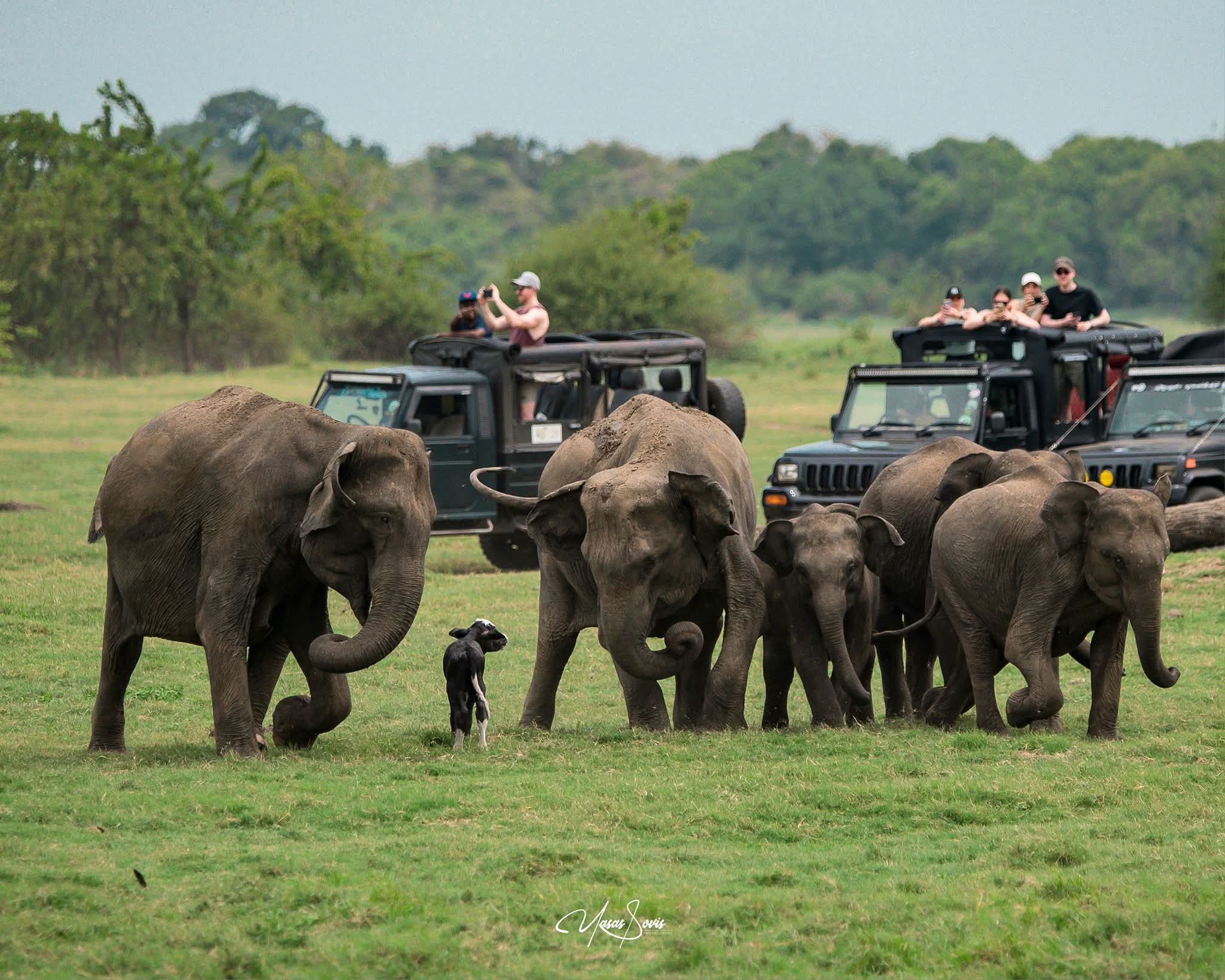
Visitor Experience: January represents peak tourist season in Sri Lanka, coinciding with winter holidays in the Northern Hemisphere. Expect moderate to high visitor numbers at Udawalawe, particularly on weekends and around New Year. Safari bookings should be made 2-3 weeks in advance to ensure availability, especially for preferred morning safari slots. Despite increased visitors, Udawalawe's large size prevents the severe overcrowding experienced at smaller parks.
Photography Notes: Excellent conditions for wildlife photography with good natural light, still-green vegetation providing attractive backgrounds, and comfortable morning temperatures. The mix of sunny weather and occasional clouds creates varied lighting opportunities throughout the day.

February: Dry Season Begins with Optimal Safari Conditions
Weather: February marks the beginning of the dry season transition with rainfall becoming increasingly rare. Expect predominantly sunny days, rising temperatures from 29°C to 34°C (84°F to 93°F), very low humidity, and minimal cloud cover. The landscape begins showing signs of drying as grasses start turning from green to golden-brown.
Wildlife Viewing: Elephants remain highly visible with excellent sighting frequencies. As water sources begin contracting, elephants concentrate more around the Udawalawe Reservoir, creating opportunities to observe larger congregations. February is excellent for observing elephant bathing behavior as they spend extended periods cooling off in the water during increasingly warm afternoons. Crocodiles bask more frequently on exposed mudbanks as temperatures rise.
Visitor Experience: Tourist numbers remain elevated through February as the month falls within peak travel season. Accommodations near the park may be fully booked, particularly in popular mid-range and luxury properties. Advanced booking (2-3 weeks ahead) remains advisable for both safaris and lodging. Morning safaris become increasingly comfortable as temperatures haven't yet reached their March-April peaks.
Photography Notes: Outstanding photography conditions with consistently clear skies, strong shadows creating dramatic depth in images, and elephants increasingly active around water providing action shots. The transitioning landscape offers mixed green and golden tones appealing to photographers seeking variety.
March: Hot, Dry Conditions with Concentrated Wildlife
Weather: March intensifies the dry season with some of the year's hottest temperatures. Daytime highs frequently reach 35°C to 37°C (95°F to 99°F), rainfall becomes virtually nonexistent, humidity drops to annual lows, and the sun beats down intensely throughout midday hours. Dust levels increase on safari routes as vegetation dries thoroughly and vehicle traffic disturbs dry soil.
Wildlife Viewing: Excellent elephant concentrations around the reservoir as the dry conditions drive animals toward reliable water sources. Multiple herds often gather simultaneously at the tank edges, creating spectacular viewing scenes with dozens or even hundreds of elephants visible together. Wildlife viewing reaches its annual peak during March as animals congregate in predictable locations. Water buffalo herds expand around remaining wetlands, and afternoon wildlife activity centers around drinking and bathing behaviors.
Visitor Experience: Tourist numbers begin decreasing from February highs as the extreme heat deters some visitors and school holidays end in many countries. Safari bookings remain moderately busy but availability improves compared to January-February. The intense heat makes afternoon safaris challenging—morning departures become strongly preferable for comfortable wildlife viewing.
Photography Notes: Challenging lighting conditions due to intense midday sun creating harsh shadows and contrast. However, golden hour photography (early morning and late afternoon) produces spectacular results with warm light illuminating elephants against golden grasslands. Heat shimmer can distort distant subjects during midday, making telephoto shots difficult. Focus photography efforts on early morning and late afternoon when lighting and atmospheric conditions optimize.

April: Hottest Month with Spectacular Elephant Viewing
Weather: April claims the title of Udawalawe's hottest month with temperatures sometimes exceeding 38°C (100°F) during peak afternoon hours. The dry season reaches maximum intensity with absolutely no rainfall in most years, extremely low humidity creating parched conditions, and relentless sunshine throughout the day. Inter-monsoonal transition begins late in the month with increasing atmospheric instability occasionally producing dramatic cloud buildups (though rain remains rare).
Wildlife Viewing: Peak wildlife concentrations create arguably the year's best elephant viewing opportunities. The severely contracted water sources force maximum congregation around the Udawalawe Reservoir. Sightings of 100+ elephants simultaneously are common, with multiple family herds, bachelor groups, and solitary bulls all gathering at the diminished water body. Elephants spend extended periods bathing and wallowing to combat the intense heat, creating dynamic behavioral viewing opportunities. Other wildlife including water buffalo, deer, and wild boar also concentrate heavily around remaining water sources.
Visitor Experience: Tourist numbers drop significantly during April due to the extreme heat, creating a less-crowded safari experience. Last-minute bookings become feasible as availability increases. However, the intense temperatures make safaris physically challenging—even morning departures can be uncomfortably hot by 9-10 AM. Bring extra water, sun protection, and prepare for potentially exhausting conditions despite the spectacular wildlife viewing.
Photography Notes: Exceptional opportunities for photographing large elephant congregations and bathing behavior. The harsh midday light remains problematic, but photographers willing to endure the heat are rewarded with incredible subject matter. Dramatic cloud buildups late in the month create atmospheric sky backgrounds. Heat shimmer becomes a serious challenge for distant photography—focus on closer subjects during midday hours.
May: Inter-Monsoon Transition with Scattered Showers
Weather: May represents the inter-monsoonal transition period as the southwest monsoon approaches. Weather becomes increasingly variable with afternoon thunderstorms developing 2-4 days per week, temperatures moderating slightly to 31°C to 35°C (88°F to 95°F), humidity rising notably before rain events, and dramatic storm clouds building through afternoons. Mornings typically remain clear and sunny, making early safaris most reliable for dry conditions.
Wildlife Viewing: Elephant viewing remains excellent though herds begin dispersing slightly as rain replenishes forest water sources. However, the core resident population continues utilizing the main reservoir area, ensuring strong sighting frequencies. The arrival of rains prompts rapid vegetation green-up, and elephants feed enthusiastically on the fresh growth. May often sees increased calf activity as youngsters born during late wet season become more active and playful.
Visitor Experience: May marks the beginning of Sri Lanka's traditional off-season as southwest monsoon rains affect coastal and western regions. However, Udawalawe receives less rain than coastal areas, making it an excellent destination during this period. Tourist numbers drop substantially, creating quiet, uncrowded safari experiences. Accommodations become widely available, and last-minute bookings pose no difficulties. The reduced visitor density means elephants appear more relaxed with fewer jeeps present.
Photography Notes: Variable weather creates both challenges and opportunities. Storm clouds produce dramatic atmospheric conditions and moody lighting perfect for creative photography. The landscape's transformation from brown to green happens rapidly, creating unique transitional aesthetics. Rain can interrupt photography sessions, though showers typically clear quickly. Bring weather protection for camera equipment and be prepared to adapt to changing conditions.

June to August: Dry Season Peak with Guaranteed Excellent Viewing
Weather: These three months represent Udawalawe's most reliable dry season period. The southwest monsoon brings heavy rain to southwestern Sri Lanka but bypasses Udawalawe almost entirely. Expect consistently sunny days, very rare rainfall (perhaps 1-2 brief showers per month), temperatures around 30°C to 35°C (86°F to 95°F), and comfortable humidity levels. Weather conditions remain stable and predictable throughout this period.
Wildlife Viewing: Outstanding elephant viewing throughout June-August with resident herds highly visible across the park. While not concentrated quite as intensely as March-April (since some rain in May provided water in forest areas), elephants remain easily encountered on every safari. The park's open terrain and elephants' preference for grassland feeding ensure excellent visibility. These months coincide with the famous Minneriya-Kaudulla gathering occurring nearby, but Udawalawe maintains its own substantial population year-round.
Visitor Experience: Moderate tourist numbers during these months with a mix of international and domestic visitors. The school holiday season (June-July) brings some Sri Lankan family tourism, while August sees European visitors escaping summer holidays. Safari bookings should be made 1-2 weeks in advance, particularly for weekends. The reliable weather and guaranteed elephant sightings make this period excellent for first-time safari visitors who want assured wildlife encounters.
Photography Notes: Ideal photography conditions with consistent lighting, clear atmospheric conditions allowing sharp telephoto work, and predictable weather enabling planning around optimal golden hour timing. The dry landscape creates classic safari aesthetics with golden grasslands, blue skies, and elephants standing out clearly. Dust from vehicle movement can become noticeable but also creates atmospheric light rays during early morning and late afternoon.
September: Excellent Conditions Before Monsoon
Weather: September continues the dry season pattern with minimal rainfall and predominantly sunny conditions. Temperatures remain warm at 30°C to 34°C (86°F to 93°F), humidity stays low, and clear skies dominate. Late September occasionally sees the first signs of the approaching northeast monsoon with increasing clouds, though significant rain remains rare.
Wildlife Viewing: Continued excellent elephant sightings throughout September with animals well-distributed across the park. Water levels in the reservoir begin rising slightly if September brings any rain, and fresh vegetation growth may appear along water edges. Elephants maintain high visibility in open grasslands and around the tank. September represents the tail end of peak elephant concentration before the wet season's distribution changes.
Visitor Experience: Low to moderate tourist numbers create a peaceful safari atmosphere. September is considered a shoulder month in Sri Lankan tourism, offering good weather and wildlife viewing without peak season crowds or premium season pricing. Accommodations are readily available, and same-week or even same-day safari bookings often succeed. The uncrowded conditions allow for more flexible, personalized safari experiences.
Photography Notes: Excellent photography conditions continuing the favorable dry season pattern. The golden grassland aesthetic remains prominent, lighting conditions stay reliable, and the occasional cloud buildup adds sky interest without rain interruptions. The comfortable temperatures and reduced tourist numbers allow photographers to work patiently without feeling rushed by crowds or heat stress.

October: Monsoon Transition with Increasing Rainfall
Weather: October marks the inter-monsoonal transition period with increasing weather variability. Afternoon thunderstorms become more frequent (3-5 days per week), temperatures moderate to 28°C to 32°C (82°F to 90°F), humidity rises significantly, and cloudy conditions become more common. Mornings often remain clear, while afternoons see storm development. The landscape begins greening as rain stimulates vegetation growth.
Wildlife Viewing: Elephants remain highly visible though their distribution spreads more widely as water sources proliferate. The guaranteed sighting rates continue—October safari visitors still encounter elephants on virtually every game drive. The fresh vegetation attracts active feeding behavior, and the increased food availability supports the elephant population's nutritional needs. Migratory bird species begin arriving, increasing avian diversity for birdwatchers.
Visitor Experience: October sees low tourist numbers as it's traditionally considered off-season in Sri Lanka. This creates an exclusive safari atmosphere with minimal jeep congestion. Accommodations are widely available at favorable rates, and last-minute bookings succeed easily. The rain, while more frequent than dry season months, rarely ruins entire safari days—most storms are brief afternoon affairs that clear quickly.
Photography Notes: The changing landscape creates unique photography opportunities with mixed green and brown tones, dramatic storm clouds providing atmospheric backgrounds, and occasional rain creating moody lighting conditions. Wet season light can be softer and more diffused than harsh dry season sun, appealing to some photographers. Bring weather protection for equipment and be prepared for sudden weather changes.
November to December: Wet Season with Exceptional Birdwatching
Weather: November and December experience the northeast monsoon with regular rainfall. Expect rain showers 4-6 days per week, typically in afternoons though occasionally morning storms occur, temperatures around 27°C to 31°C (81°F to 88°F), high humidity, and frequently cloudy conditions. However, multi-day continuous rain is rare—most storms are intense but brief afternoon thundershowers.
Wildlife Viewing: Elephant sightings continue at high frequencies despite wetter conditions. The verdant landscape supports abundant food, and elephants appear healthy and active feeding on fresh vegetation. Family herds with young calves become increasingly common as the main calving season begins. Water buffalo, deer, and other herbivores are widely distributed across the lush grasslands. This period offers the year's peak birdwatching with maximum diversity as northern migrants join resident species.
Visitor Experience: Very low tourist numbers create an exclusive, uncrowded experience. December sees a slight increase during the Christmas-New Year period when holiday travelers visit, but overall visitor density remains much lower than February-March. Accommodations are readily available except during the final week of December when holiday demand spikes. The wet conditions deter some visitors, but those willing to accept occasional rain are rewarded with spectacular, uncrowded wildlife viewing.
Photography Notes: Challenging photography conditions due to variable weather and frequent cloud cover reducing light levels. However, the lush green landscape creates beautiful, vibrant backgrounds, and wet season light produces rich, saturated colors. Storm clouds and dramatic skies offer creative opportunities for atmospheric wildlife photography. Serious birdwatchers and bird photographers consider this period optimal for avian diversity and photography opportunities.

Choosing the Best Time Based on Your Priorities
Selecting the optimal time to visit Udawalawe depends on what matters most to you. Here's guidance for different visitor priorities:
For Maximum Elephant Concentrations
Best Months: March through May offer the most concentrated elephant viewing with the largest gatherings around the reservoir. The extreme dry conditions force maximum congregation at the diminishing water source, creating scenes of 100-200+ elephants gathering simultaneously. April particularly stands out for spectacular elephant numbers, though the intense heat challenges visitor comfort.
Alternative Options: June through September provide excellent elephant viewing with slightly less extreme concentration but more comfortable temperatures and reliable weather. These months deliver virtually guaranteed elephant sightings without the physical challenges of peak dry season heat.
For Optimal Photography Conditions
Best Months: June through September combine ideal weather (consistent sun, clear skies), comfortable temperatures allowing extended photography sessions, and excellent elephant visibility. The dry golden landscapes create classic safari aesthetics that many photographers prefer. February and March also offer strong photography conditions, trading slightly more concentrated wildlife for increasingly harsh heat and lighting.
Creative Alternatives: May and October provide unique transitional landscapes with mixed green and brown tones, dramatic cloud formations, and changing light conditions that appeal to photographers seeking variety beyond standard dry season imagery. The reduced tourist numbers allow more patient, undisturbed photography work.

For Birdwatching Diversity
Best Months: November through February represent peak birdwatching season when northern migratory species join Udawalawe's resident birds. Waterfowl populations explode around the reservoir, wading birds congregate in wetland areas, and overall species diversity reaches maximum levels. Serious birdwatchers should specifically target these wet season months for optimal avian encounters.
Runner-Up: September through October also offer good birdwatching as early migrants arrive and begin overlapping with resident populations, creating above-average diversity before peak wet season conditions arrive.
For Comfortable Weather and Fewer Crowds
Best Months: September through October provide the sweet spot of good weather (less extreme heat than March-April, less rain than November-January), excellent wildlife viewing, and minimal tourist congestion. June through August also offer comfortable conditions with reliable weather and moderate tourist numbers. These shoulder and early dry season months maximize comfort while maintaining strong wildlife encounters.
Avoid: March through April if heat sensitivity is a concern—temperatures frequently exceed comfort thresholds for many visitors. December through January if you strongly prefer avoiding crowds, as these represent peak tourist season despite good weather conditions.
For Budget-Conscious Travelers
Best Months: May through June and September through November typically see reduced accommodation rates and better availability as these fall into traditional off-season periods. Operators may offer promotions or discounted packages during these quieter months. The wildlife viewing remains excellent despite the perceived "off-season" status, making these months exceptional value.
Peak Pricing: December through February represent high season with premium pricing for accommodations and limited negotiation room. March through April, despite the heat, may also command higher rates due to the spectacular concentrated elephant viewing attracting dedicated wildlife enthusiasts.
For First-Time Safari Visitors
Best Months: June through September offer the most predictable, comfortable, and reliable introduction to African-style safaris. The consistent weather eliminates rain interruptions, guaranteed elephant sightings ensure satisfaction, and moderate temperatures allow comfortable multi-hour safari experiences. February through March also work well, trading slightly elevated tourist numbers for continued excellent viewing and generally good weather.
Less Ideal: October through December may disappoint first-timers expecting guaranteed sunny weather and concentrated wildlife, despite the wildlife viewing actually remaining excellent. First-time visitors often prefer the classic dry season safari experience over wet season green landscapes and variable weather.

Practical Considerations for Each Season
Understanding practical aspects of visiting during different seasons helps you prepare appropriately and set realistic expectations.
Dry Season Practical Tips (May to September)
What to Pack: Lightweight, breathable clothing in neutral colors, wide-brimmed hat and high-quality sunglasses for sun protection, high-SPF sunscreen (reapply frequently), plenty of water (1-2 liters minimum per person per safari), camera lens cloth for dust cleaning, and possibly a bandana or buff for dusty conditions. The dry heat creates dusty safari routes—protect sensitive equipment and bring items for personal dust protection.
Health Considerations: Dehydration becomes a genuine concern during hot dry season months, particularly March-April. Drink water consistently throughout your safari, even if you don't feel particularly thirsty. The dry air and intense sun can cause sunburn within 30 minutes—apply sunscreen generously and reapply after sweating. Some visitors experience dry nasal passages and throats in the low humidity—saline nasal spray can provide relief.
Safari Timing: Morning safaris become strongly preferable during hot months (March-May) as temperatures by mid-morning already become uncomfortable. Start as early as allowed (typically 6:00 AM) to maximize time in cooler conditions. Afternoon safaris work better during cooler dry season months (June-September) when late afternoon temperatures remain tolerable. Consider half-day rather than full-day safaris during peak heat months to avoid midday discomfort.
Booking Advice: Advanced booking becomes increasingly important during peak dry season months (June-August) when visitor numbers rise. Reserve safaris and accommodations 2-3 weeks ahead, particularly for weekends and holidays. Mid-week visits during shoulder months (May, September) may succeed with shorter notice, but advance booking remains advisable for peace of mind.
Wet Season Practical Tips (October to April)
What to Pack: Lightweight rain jacket or poncho, waterproof camera protection (dry bags, rain covers), quick-dry clothing that sheds water easily, sealed waterproof bag for electronics and documents, and insect repellent (mosquito activity increases during wet season, though Udawalawe has fewer mosquitoes than wetter regions). Most safari jeeps provide basic roof covering, but side rain protection varies by vehicle.
Weather Strategy: Morning safaris experience better weather reliability during wet season months as storms typically develop in afternoons. However, brief morning showers do occur occasionally—build flexibility into your schedule to accommodate weather-related timing adjustments. Don't let fear of rain deter you entirely—wet season storms are usually brief, and wildlife viewing continues during light rain. The dramatically reduced tourist numbers often outweigh minor rain inconveniences.
Safari Timing: Both morning and afternoon safaris work well during wet season months, as temperatures remain comfortable throughout the day. However, morning departures face lower rain probability. Some visitors actually prefer afternoon safaris during wet season to experience the dramatic storm clouds and atmospheric conditions, though be prepared for potential rain interruptions.
Photography Adaptations: Protect camera equipment from rain with waterproof covers or dry bags. However, don't pack cameras away completely—breaks in clouds often create stunning dramatic lighting perfect for moody, atmospheric wildlife images. Wet season light tends to be softer and more diffused than harsh dry season sun, sometimes producing more flattering results. The lush green landscape provides vibrant, colorful backgrounds that contrast beautifully with elephants' gray skin.

Combining Udawalawe with Seasonal Activities and Other Destinations
Your Udawalawe visit timing may align with other Sri Lankan experiences you want to incorporate into your itinerary. Here's seasonal guidance for combining destinations:
Beach Destinations (South Coast)
Best Combination Timing: November through April represents ideal beach weather along Sri Lanka's south coast (Mirissa, Tangalle, Hiriketiya, Unawatuna). These months coincide with Udawalawe's wet season, but the park receives far less rain than coastal areas and wildlife viewing remains excellent. Many visitors create itineraries combining 2-3 beach days with an inland Udawalawe safari day trip, creating diverse experiences covering coast and wildlife.
Monsoon Considerations: May through October brings southwest monsoon conditions to the south coast with rough seas, frequent rain, and generally unsuitable beach weather. However, this period represents Udawalawe's best dry season conditions. If visiting Udawalawe during dry season months, consider combining with east coast beaches (Arugam Bay, Passikudah) which experience good weather during this period.
Cultural Triangle (Sigiriya, Polonnaruwa, Anuradhapura)
Best Combination Timing: January through September provide generally good weather throughout the Cultural Triangle, making these months ideal for combining historical sites with Udawalawe safaris. Many visitors create week-long itineraries covering ancient ruins, climbing Sigiriya Rock, exploring temples, and wildlife viewing at Udawalawe, Minneriya, or Kaudulla parks.
Itinerary Suggestions: Travelers focused on wildlife might visit Kaudulla/Minneriya during peak gathering season (July-September) before heading south to Udawalawe, experiencing two distinct elephant viewing experiences. Alternatively, visit the Cultural Triangle during comfortable shoulder months (February-March, September-October) before heading to Udawalawe for concentrated elephant viewing.
Hill Country (Ella, Nuwara Eliya, Tea Plantations)
Best Combination Timing: Hill country destinations enjoy pleasant weather year-round due to elevation, though December through March are particularly popular. The scenic train journey from Kandy to Ella represents a highlight of Sri Lanka travel and can be combined with Udawalawe safaris. Many visitors route: Colombo → Hill Country → Udawalawe → South Coast, creating geographically logical circular itineraries.
Seasonal Notes: Hill country temperatures drop significantly compared to lowland Udawalawe—bring layers for cool evenings at elevation even during nominally "hot" months. The tea estates look particularly beautiful during wet season months when hillsides glow vivid green, complementing Udawalawe's own wet season verdancy.

Whale Watching (Mirissa)
Best Combination Timing: November through April represents peak whale watching season off Mirissa when blue whales and sperm whales migrate through Sri Lankan waters. This perfectly aligns with combining south coast whale watching and Udawalawe safaris in a single trip. The 2-3 hour drive between Udawalawe and Mirissa makes this combination logistically straightforward.
Itinerary Example: Many visitors spend 2 nights in Mirissa for whale watching and beach time, then transfer inland to Udawalawe for 1-2 nights of safari activities before continuing to other destinations or returning to Colombo. This creates a diverse experience covering marine and terrestrial wildlife.
Month-by-Month Summary: Quick Reference Guide
Here's a condensed overview helping you quickly identify the best month for your specific situation:
Peak Elephant Concentrations: March, April, May Best Photography Conditions: June, July, August, September Most Comfortable Weather: June, July, August, September, October Peak Birdwatching: November, December, January, February Fewest Crowds: May, June, September, October, November Best Value: May, June, September, October, November Wettest Months: November, December, January (but wildlife viewing remains excellent) Hottest Months: March, April Best for First-Time Visitors: June, July, August Most Balanced Overall: February, June, September
Final Thoughts: The Best Time Is When You Can Come
While this guide has explored seasonal variations in detail, the single most important insight about Udawalawe National Park is this: there is no genuinely "bad" time to visit. Unlike many wildlife destinations where timing critically affects whether you see animals at all, Udawalawe delivers consistently outstanding elephant viewing year-round. The seasonal variations affect comfort, photography conditions, landscape aesthetics, and visitor crowds more than fundamental wildlife viewing success.
If you can only visit during wet season months (November-January), don't worry—you'll still see elephants, experience excellent wildlife viewing, and potentially enjoy a more exclusive, uncrowded safari experience with lush green landscapes. If your schedule restricts you to hot dry season months (March-April), prepare for heat but know you're visiting during peak elephant concentration periods offering spectacular viewing opportunities.
The best time to visit Udawalawe National Park ultimately depends on your personal priorities and constraints. Value the flexibility to visit when your schedule allows rather than stressing over achieving absolutely "perfect" timing. Udawalawe's reliability means that whenever you visit, you're virtually guaranteed memorable elephant encounters and a worthwhile Sri Lankan wildlife experience.
Consider your tolerance for heat versus rain, preference for crowds versus exclusivity, desire for lush green versus golden-brown landscapes, and interest in bird diversity versus concentrated elephant viewing. Then select timing aligned with your priorities, prepare appropriately for seasonal conditions, and approach your visit with realistic expectations about what each month offers.
Most importantly, book your Udawalawe safari with confidence knowing that this remarkable park delivers exceptional wildlife experiences throughout all twelve months of the year. The elephants of Udawalawe await your visit, ready to provide unforgettable encounters regardless of when you choose to explore this magnificent Sri Lankan wilderness sanctuary.